Society Hill Real Estate Guide and Historic Homes Market Trends
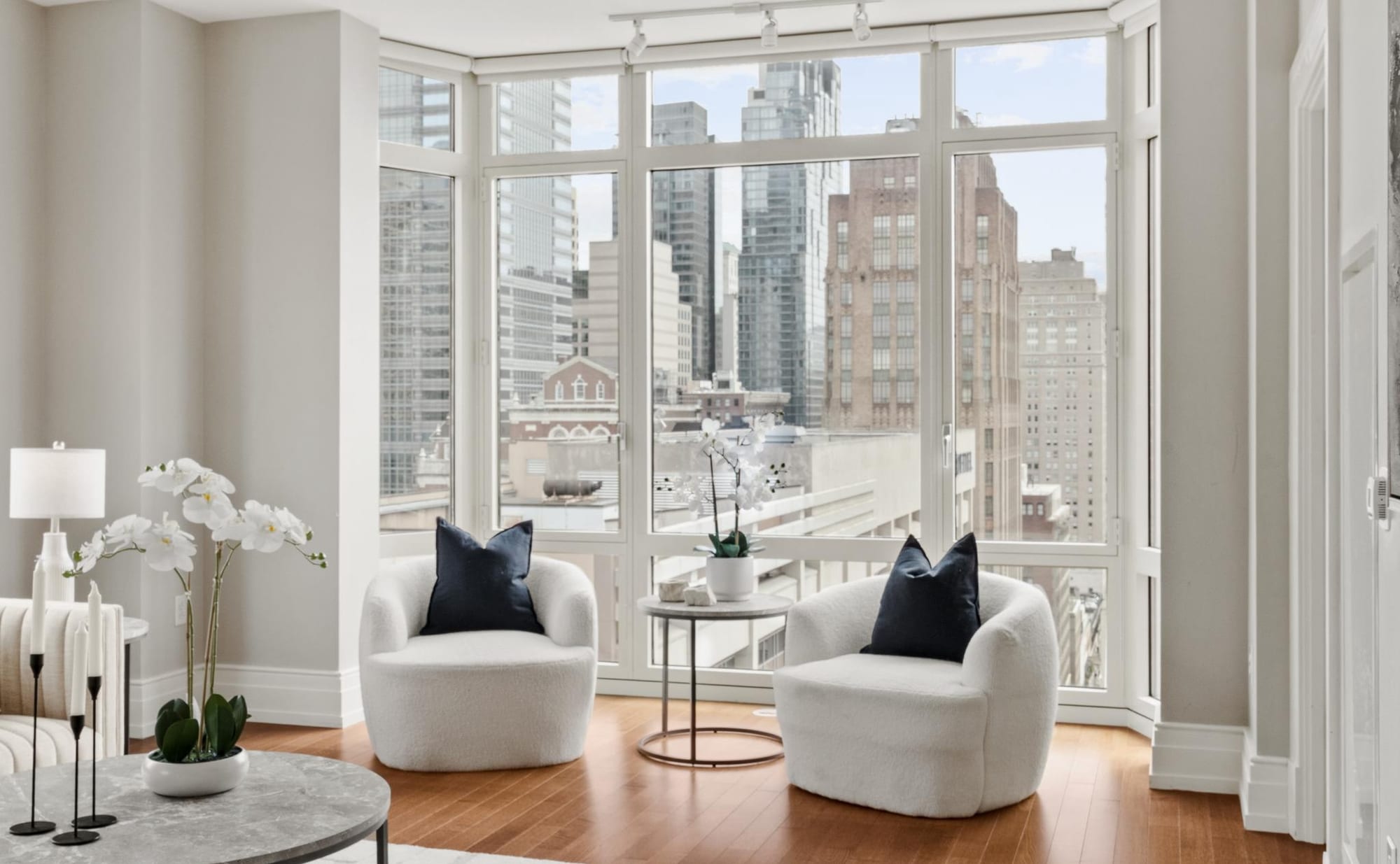
The Society Hill real estate market in 2026 is defined by historic architecture, limited inventory, and steady demand from buyers who want character inside Philadelphia's Center City core. It is one of the few neighborhoods where cobblestone streets and preserved 18th and 19th century homes still set the tone for modern living.
This guide breaks down society hill homes, how historic properties are valued, and what the current market overview looks like for buyers, sellers, and long-term investors.
Quick Facts
Median sale prices in Society Hill run from about $450,000 to $800,000 depending on the source and property mix, with luxury townhomes well above that
Average price per square foot remains competitive for Center City luxury at roughly $420 to $540 per square foot
Inventory stays low due to historic preservation restrictions
Strong demand from professionals working in Center City and nearby hospitals
What Defines Society Hill Real Estate in 2026
Society Hill is one of Philadelphia's most historically protected neighborhoods, and that shapes everything about pricing, supply, and buyer behavior.
Pricing Structure and Market Position
In 2026, society hill real estate sits in the upper tier of Philadelphia housing but behaves differently from Rittenhouse Square. Luxury townhomes start around the region's $1.15 million luxury threshold, while fully renovated historic residences can exceed $2.5M depending on size and location.
Unlike condo-heavy neighborhoods, pricing here is driven by land value and architectural integrity. Buyers are not just paying for square footage. They are paying for preserved brickwork, original layouts, and historic designation within walking distance of Independence Hall and Headhouse Square.
Price per square foot varies widely because no two homes are truly identical. Renovation quality often outweighs raw size in determining final value.
Supply Constraints and Preservation Rules
Inventory in Society Hill remains structurally limited. The neighborhood is part of a designated historic district, which restricts new construction and major exterior alterations.
That restriction creates a natural supply ceiling, keeping Society Hill homes relatively scarce even when broader Center City inventory rises.
Buyers need to factor in approval timelines for exterior renovations. Even minor façade changes can require review, which affects both project timelines and resale planning.
Society Hill Homes and Historic Property Types
The housing stock in Society Hill is one of the most distinctive in Philadelphia, combining Federal-style townhomes, brick rowhouses, and select condominium conversions.
Historic Townhomes and Architectural Value
Historic townhomes are the defining feature of Society Hill. Many date back to the 18th and 19th centuries and feature original brick facades, hardwood flooring, and narrow but deep layouts.
These homes often require a balance between preservation and modernization. Buyers frequently invest in updated kitchens, mechanical systems, and insulation while maintaining exterior character.
Pricing depends heavily on condition. A fully renovated home near Spruce Street can command a significant premium over a similar unrenovated property just a few blocks away.
Boutique Condos and Conversions
While townhomes dominate, boutique condo conversions have become increasingly common in restored buildings.
These properties appeal to buyers who want historic character without full maintenance responsibility.
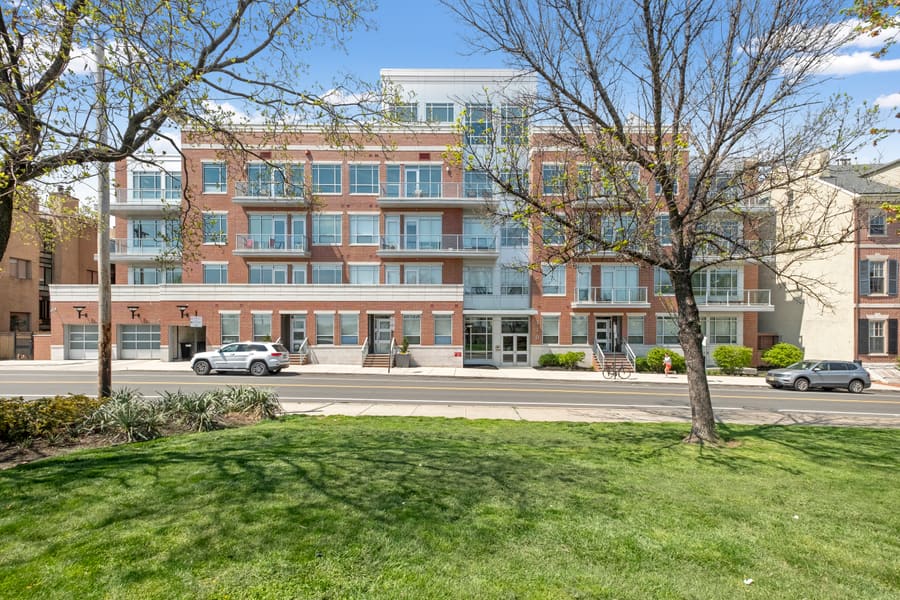
Converted properties near Headhouse Square and Front Street often attract strong interest due to proximity to dining, transit, and waterfront access.
Market Overview and Buyer Demand Trends
The market overview for Society Hill shows steady demand supported by scarcity and lifestyle appeal rather than rapid price acceleration.
Pricing Behavior and Buyer Competition
Prices in Society Hill tend to move more slowly than in condo-heavy areas like Rittenhouse Square, but they remain resilient due to limited supply.
Well-renovated homes in prime locations often receive strong interest within the first few weeks of listing. However, pricing is highly sensitive to condition. Outdated interiors can reduce buyer urgency even in desirable blocks.
Who Is Buying in Society Hill
Buyer profiles in Society Hill are relatively consistent. Many are professionals working in Center City, medical staff from nearby hospitals, or long-term Philadelphia residents upgrading into historic homes.
There is also steady interest from out-of-state buyers seeking character homes in walkable urban settings. These buyers often prioritize architecture and location over square footage.
Location Advantages and Lifestyle Factors
Society Hill offers a lifestyle that is distinct from other Center City neighborhoods, combining historic preservation with urban convenience.
Walkability and Daily Convenience
Society Hill is highly walkable, with grocery stores, restaurants, and parks within short distances. Residents can easily access Headhouse Square, Society Hill Park, and the Delaware River waterfront.
Commute times to major employment centers in Center City are typically under 10 to 15 minutes on foot, depending on exact location.
Schools and Community Access
Society Hill falls within the School District of Philadelphia. Nearby public and private school options vary in quality, with several charter and independent schools located within a short commute.
Families often choose the neighborhood for its safety, architecture, and proximity to cultural institutions rather than school zoning alone.
Investment Perspective on Society Hill Real Estate
Society Hill is often viewed as a long-term hold market rather than a high-growth investment zone.
Stability and Long-Term Value
One of the strongest features of society hill real estate is stability. Historic designation limits oversupply, which helps protect long-term value even during slower market cycles.
Appreciation tends to be steady rather than aggressive. Value gains are often tied to renovation improvements and overall Center City demand rather than speculative growth.
Rental Demand and Income Potential
Rental demand remains steady due to proximity to hospitals, universities, and corporate offices.
Historic homes and renovated condos both attract long-term tenants, though rental yields are typically modest due to high acquisition costs and renovation investment. Gross returns generally fall in the low single-digit range depending on property type and financing structure.
Risks and Costs Buyers Should Understand
Society Hill offers strong lifestyle value, but there are real costs that affect ownership and investment outcomes.
Renovation Costs and Historic Restrictions
Historic preservation rules can increase both time and cost for renovations. Exterior work often requires approval, and even interior updates may need coordination depending on building status.
Older homes may also require full system upgrades, including plumbing, electrical, and HVAC replacements.
Taxes, Insurance, and HOA Considerations
Philadelphia property taxes apply across Society Hill and can represent a significant annual cost for high-value homes.
HOA fees in converted buildings vary widely but can reach over $1,500 per month depending on amenities. Insurance costs may also be higher for older structures depending on condition and coverage requirements.
Comparison With Nearby Center City Neighborhoods
Society Hill sits in a unique position within Center City, offering a different experience from nearby luxury districts.
Rittenhouse Square Comparison
Rittenhouse Square is more condo-driven and typically commands higher price per square foot. Society Hill offers more space and historic character but less uniform pricing.
Washington Square West Comparison
Washington Square West provides a quieter residential feel with slightly lower pricing. Society Hill, by contrast, emphasizes historic architecture and preservation.
Closing
Society Hill remains one of Philadelphia's most distinctive residential neighborhoods, where historic architecture and modern living intersect in a tightly held market. Understanding condition, location, and preservation rules is key to making confident decisions.
Kristen Foote works with buyers and sellers navigating society hill real estate, helping them evaluate society hill homes with a clear view of long-term value and market reality.
Frequently Asked Questions
Is Society Hill real estate a good investment in 2026?
Society Hill real estate is generally a strong long-term investment due to limited supply and historic preservation. It does not typically deliver fast appreciation but tends to hold value well over time. Most returns come from stability and scarcity rather than rapid growth.
What types of homes are common in Society Hill?
Society Hill homes are primarily historic townhomes, brick rowhouses, and boutique condo conversions. Many properties date back to the 18th and 19th centuries. Buyers value architectural detail as much as interior renovations.
How expensive is Society Hill compared to other neighborhoods?
Society Hill is typically less expensive than Rittenhouse Square on a price per square foot basis but still considered a luxury market. Pricing varies widely depending on renovation level and historic condition. Fully updated homes command significant premiums.
Are there restrictions on renovating Society Hill properties?
Yes, many Society Hill properties fall under historic district regulations. Exterior changes often require approval, and some renovations may take longer due to preservation guidelines. Interior updates are generally more flexible but still require planning.
How quickly do homes sell in Society Hill?
Homes in Society Hill typically sell within 25 to 50 days when priced correctly. Well-renovated properties in prime locations may sell faster. Older or unrenovated homes tend to stay on the market longer.